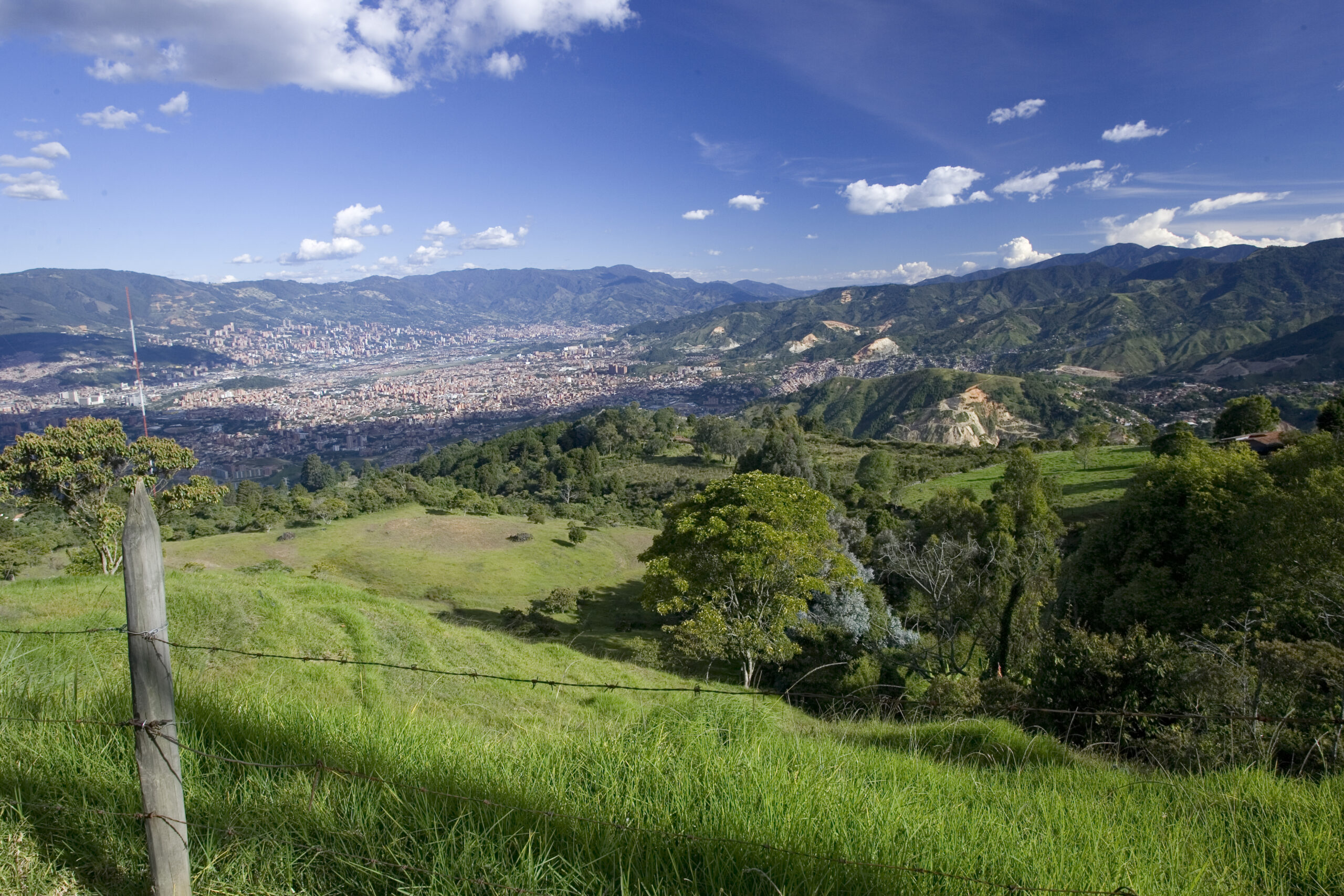

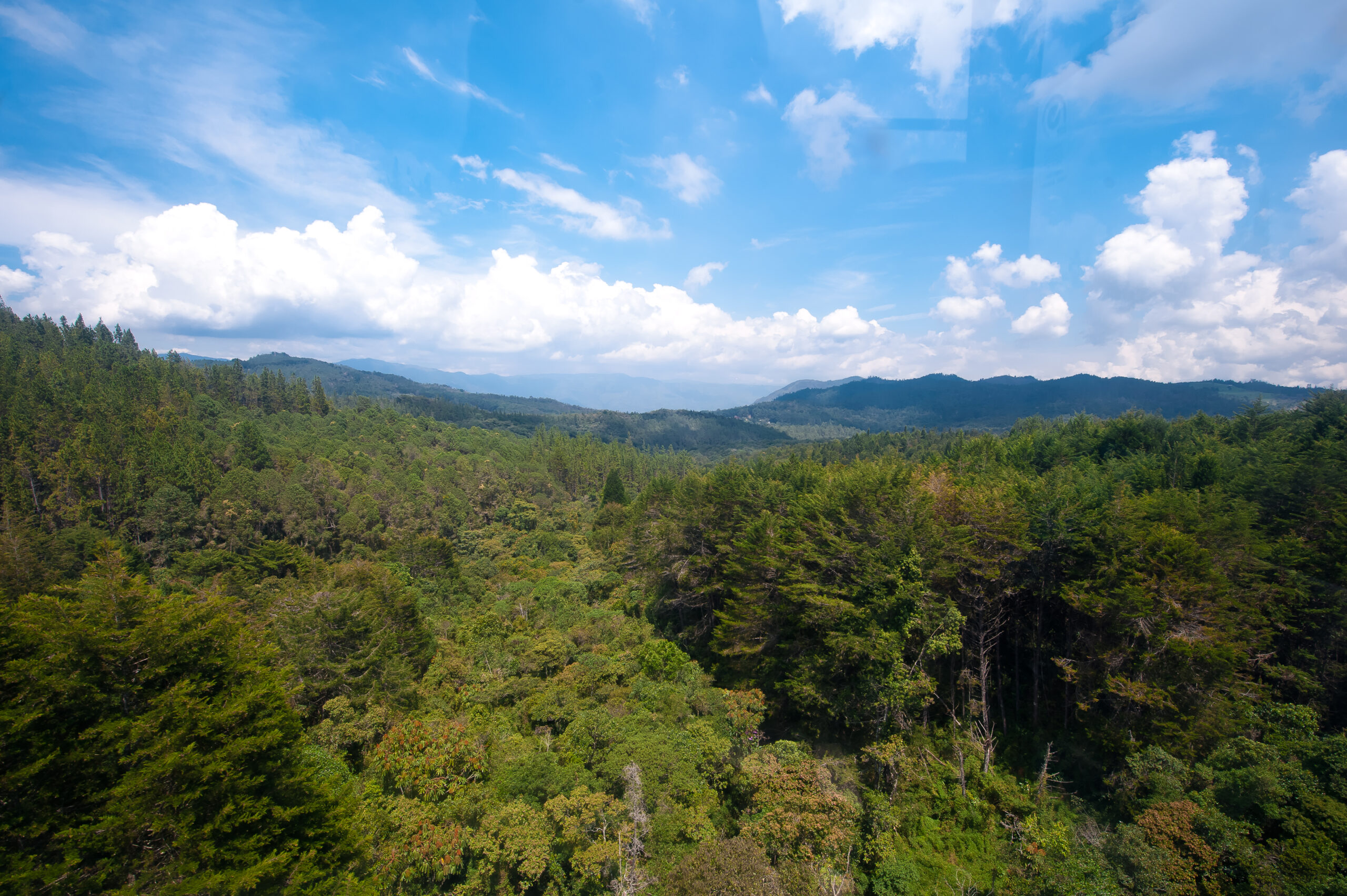

Tourist destinations are deeply connected to nature. Its landscapes and surroundings are an essential part of the traveler’s experience, but they also remind us of the importance of preparation, coordination, and collective responsiveness. In Colombia, the La Niña phenomenon has once again brought to the fore the need to approach tourism from a comprehensive, resilient, and collaborative perspective.
In scenarios like this, tourism does not stop: it adapts, transforms, and moves forward thanks to joint efforts. Rather than focusing on specific circumstances, the aim is to highlight how coordination between the public and private sectors and promotional organizations makes it possible to support entrepreneurs, protect the destination’s reputation, and continue to drive the economic and social development of the city and the department.
Tourism as a driving force for the region
Tourism is one of the key sectors for Medellín and Antioquia. It generates employment, boosts the local economy, strengthens value chains, and connects the region with the world. Therefore, when faced with situations arising from natural phenomena, the focus is on activating strategies that enable us to support the sector, maintain visitor confidence, and continue to position the destination responsibly.
Strategic communication plays a fundamental role in this process. Providing clear, consistent information that is aligned with the reality of the territory makes it possible to highlight what is still active, available, and ready to receive visitors, thereby strengthening trust and the bond with travelers.
Communication as an ally of the tourism sector
Today, more than ever, communication is a key tool for tourism. Through digital platforms, it is possible to amplify positive messages, build rapport with travelers, and directly support entrepreneurs who are part of the tourism ecosystem.
Communication strategies in times of crisis tend to focus on three areas: providing timely and reliable information; reinforcing confidence by highlighting experiences and services that continue to operate; and inspiring people by reminding them why Medellín and Antioquia remain diverse, attractive destinations full of experiences to discover.
The role of the Bureau: coordination that generates impact
In this context, the Greater Medellín Convention & Visitors Bureau plays a fundamental role as the coordinator of the tourism sector in the city and the department. His constant work connecting entrepreneurs, strategic partners, and the public sector allows tourism to remain a force for development, even in challenging times.
An example of this role occurred last year when, following heavy rains, a landslide occurred in Loma de los Balsos, near the premises of several Bureau Members. The organization activated a strategy of support and visibility that included visits to businesses, the creation of audiovisual content, and dissemination on the Bureau’s and its partners’ platforms, helping to reactivate the flow of visitors and support entrepreneurs.
Keep moving forward together
Natural phenomena demonstrate the importance of coordinated work. Collaboration between authorities, promotional organizations, trade associations, and entrepreneurs allows for a coordinated response, strengthens the sector, and continues to build a more resilient tourism industry.
The Medellín and Antioquia Bureau remains committed to this goal: supporting its members, strengthening the promotion of the destination, and consolidating tourism that moves forward with vision, confidence, and teamwork. Because even in challenging times, coordination remains the key to enabling tourism to flourish.