
For years, tourism was associated with packed agendas, non-stop activities, and increasingly crowded destinations. However, a new trend is shifting that logic: the economy of silence, a way of traveling that prioritizes calm, deep rest, and personal reconnection.
Today, more and more travelers are seeking genuine breaks from fast-paced routines. Traveling no longer just fulfills the desire to see new places; it also meets the need to regain balance, slow down, and find spaces of tranquility.
According to a study by Hilton, the primary motivation for leisure travel is resting and recharging (56%), followed by spending time in nature (37%), improving mental health (36%), and dedicating time to oneself (20%) (Source: Hilton Trends Report).
This shift in priorities is redefining the design of tourism experiences and opening opportunities for destinations that combine nature, culture, and wellness.
Traveling Slower to Reconnect
The economy of silence does not simply mean traveling to quiet places. It implies a different way of experiencing destinations.
Travelers are incorporating activities that favor observation, contemplation, and connection with their surroundings. According to the Hilton Trends Report:
- 25% of travelers plan to dedicate their vacations to “quieter” hobbies, such as contemplative or restorative activities.
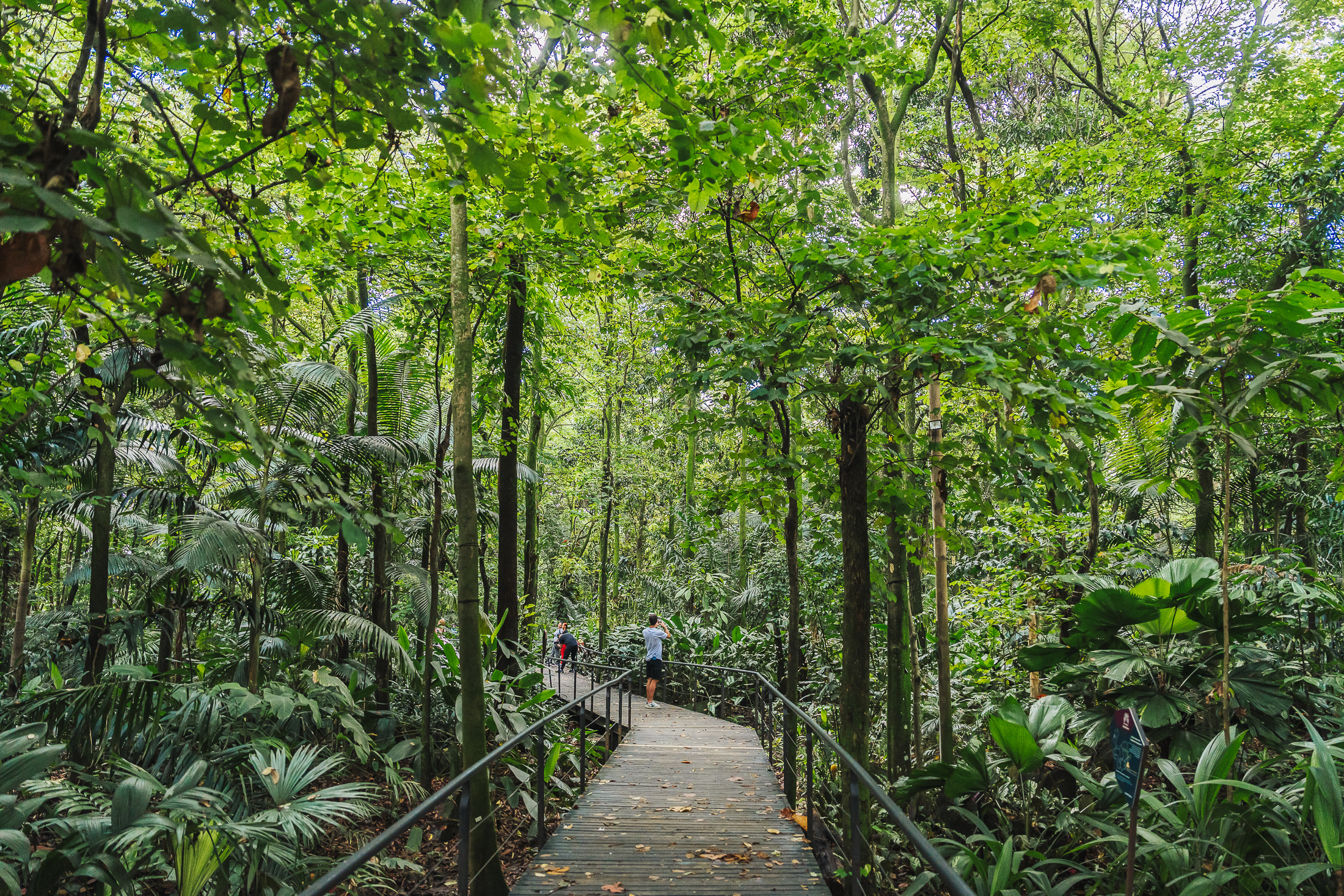
- 47% seek nature escapes, motivated by activities like hiking in natural environments.
- 79% are considering traveling to mountain destinations in 2026.
Furthermore, birdwatching, recreational fishing, and contact with natural ecosystems are gaining prominence. In fact, 73% of travelers interested in these types of experiences would consider activities like fishing or birdwatching, while 57% would explore practices such as observing insects or biodiversity.
Even technology plays a facilitating role: apps that identify species or AI tools that recommend trails and habitats enrich the experience without breaking the sense of calm.
Silence Reaches Business Travel
This trend is not limited to leisure tourism. Corporate travelers are also redefining their relationship with time during work-related trips.
According to the same Hilton Trends Report:
- 27% of business travelers actively seek alone time during their trips to recharge.
- 19% prioritize sleep and recovery over socializing with colleagues.
- 30% enjoy solo activities, such as dining or having a late-night snack at the hotel.
At the same time, new personal rituals associated with wellness are emerging: from morning workouts to early walks or moments of reflection before starting the workday.
A Particularly Relevant Trend for New Generations
Younger generations are also driving this change. By 2030, travel focused on inner and spiritual exploration could become one of the primary drivers of tourism, with 53% of Gen Z and 46% of Millennials interested in these types of experiences.
In international destinations, initiatives are already emerging that integrate culture, spirituality, and nature into a single experience. An example is the SAKA Museum in Bali, a space that delves into the relationship between cultural identity, nature, and spirituality, expanding the tourism experience beyond traditional attractions (Source: Trendhunter).
Medellín and Antioquia: A Destination Aligned with the Economy of Silence
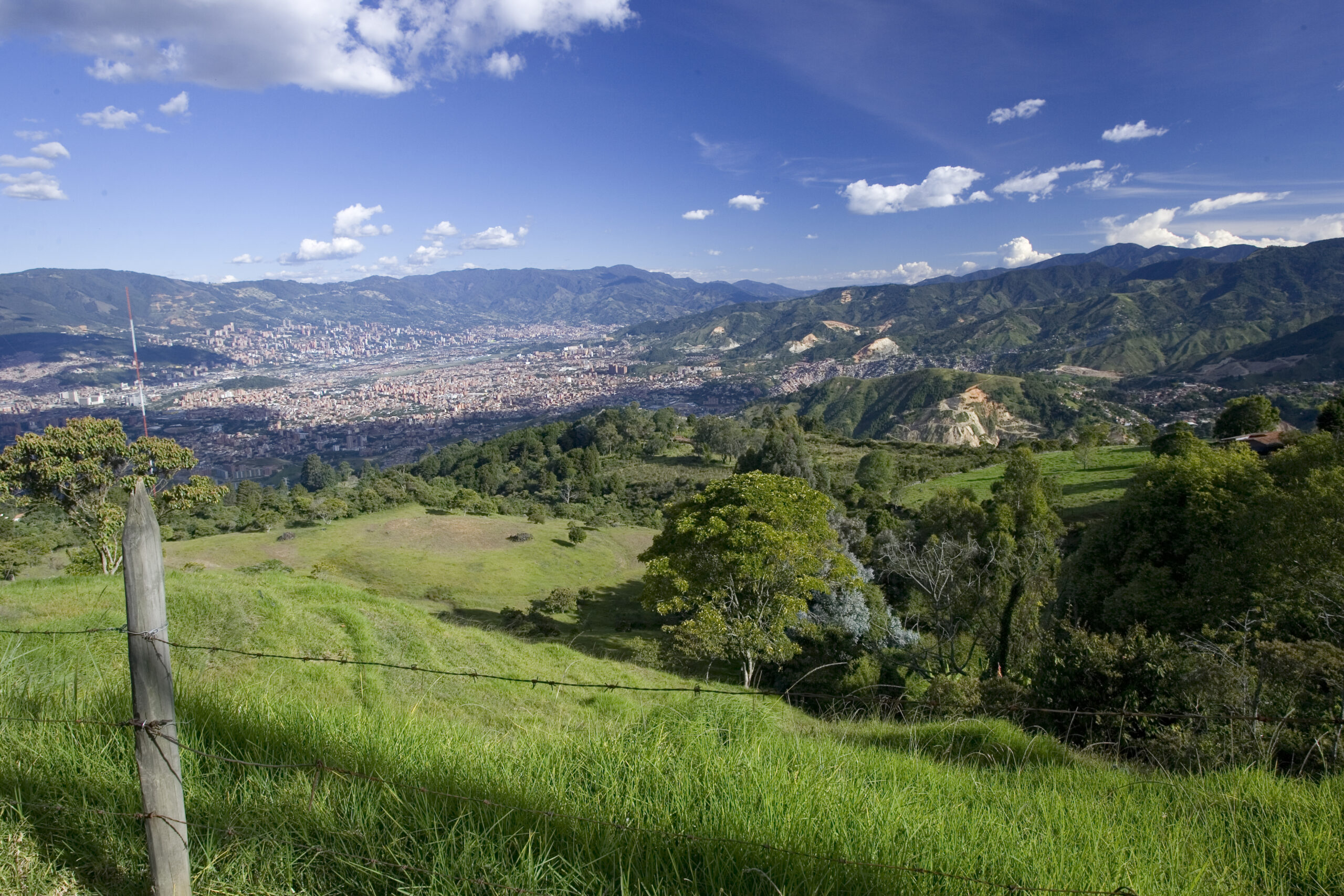
This trend represents a strategic opportunity as our city-region combines attributes that directly respond to these new travel motivations: nearby nature, cultural diversity, gastronomic experiences, wellness, and a wide range of outdoor activities.
Medellín’s local districts (corregimientos), such as Santa Elena or San Sebastián de Palmitas, along with the subregions of Antioquia, offer mountain landscapes, natural trails, rural experiences, and ideal spaces for those seeking to slow down.
At the Medellín and Antioquia Bureau, we work in coordination with government institutions and the tourism sector to promote an offering that connects with these global trends, strengthening the destination’s positioning and generating opportunities for industry stakeholders.
Understanding how traveler motivations evolve allows us to anticipate the future of tourism. And in that future, silence, the pause, and the connection with the environment are consolidated as a fundamental part of the travel experience.
The Greater Medellín Convention & Visitors Bureau is a foundation that attracts visitors, events, and opportunities to drive the development of the city and the department, strengthening the tourism sector and working in coordination with public and private entities to promote the city-region.