

Global tourism trends show a clear change in the way people travel: they are looking for more flexible, authentic experiences that are connected to their lifestyle. Travel is no longer an extraordinary event but has instead become an integrated part of everyday life. This is confirmed by the survey of travel trends, habits, and motivations conducted by Eurostars Hotel Company among nearly 3,000 travelers, which anticipates how tourism demand will evolve toward 2026. Within this context, short trips and local getaways have gained prominence, not as an alternative or replacement for long-haul travel, but as a dynamic that complements and enhances it.
For destinations such as Medellín and Antioquia, this trend represents a strategic opportunity. The Greater Medellín Convention & Visitors Bureau has been consistently working steadily toward a clear goal: to increase the average length of stay in the city and the department to between five and seven days. And this is precisely where nearby getaways, domestic tourism, and subregional experiences become poweful allies, allowing visitors to add meaningful experiences to their main trip and enrich it without fragmenting it.
Local tourism as a strategic complement
Traveling nearby does not mean traveling less. On the contrary, it means discovering more deeply the territory we inhabit or visit. The Eurostars study shows that more than 70% of respondents prefer so-called micro-trips—short escapes of just a few days that easily fit into work and personal schedules, providing well-being, disconnection, and a change of scenery without requiring complex planning.
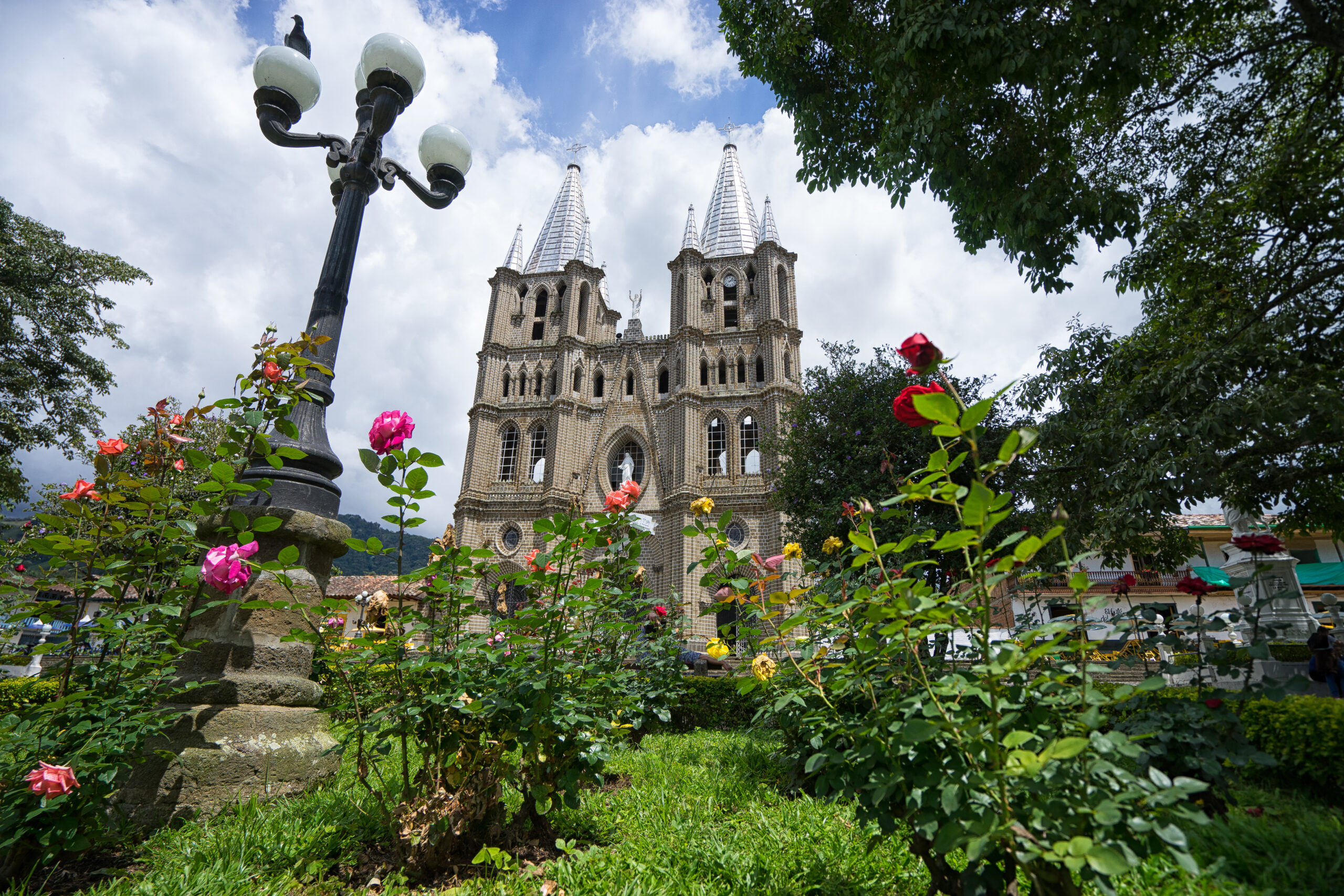
In Antioquia, the proximity between Medellín and its subregions enables the creation of experiences that naturally integrate into longer stays, combining city life, nature, culture, gastronomy, and relaxation. A visitor arriving in Medellín for an event, vacation, or business trip can expand their experience by exploring nearby municipalities, gastronomic routes, nature destinations, or towns with strong cultural identities.
At the same time, residents of Medellín and Antioquia become key travelers in energizing domestic tourism, activating local economies, and maintaining a steady flow of visitors throughout the year particularly through recurring, short-distance trips that strengthen their connection to the territory.
Travel without rushing, explore more
The concept of slow travel is not about shortening trips, but about experiencing them with greater intention. Staying longer in a destination, moving at a relaxed pace, exploring different environments, and connecting with local communities respond to an increasingly emotional motivation for travel. The study indicates that travel is now perceived as a necessity associated with rest, mental disconnection, well-being, and personal reconnection, rather than as an exceptional experience.
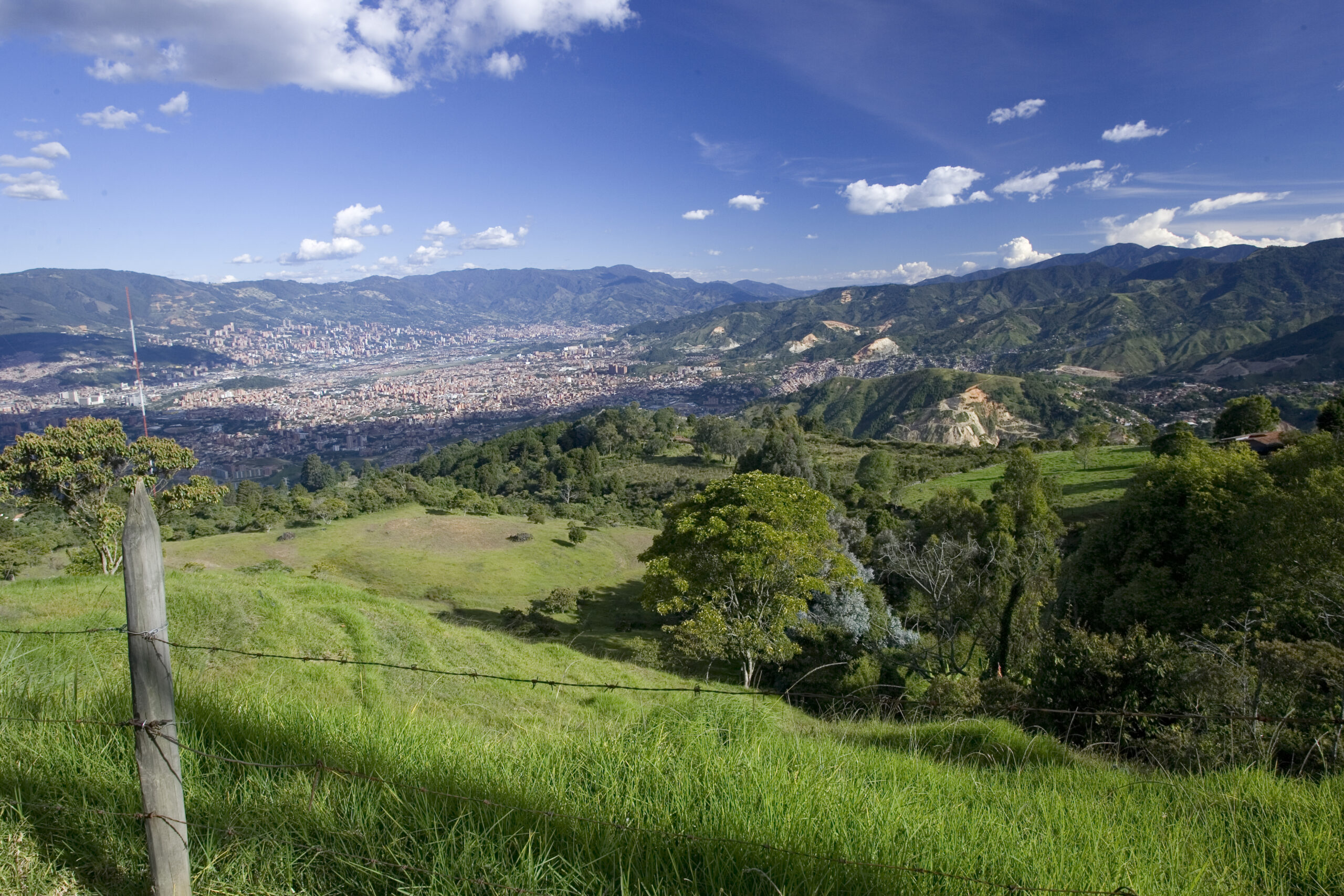
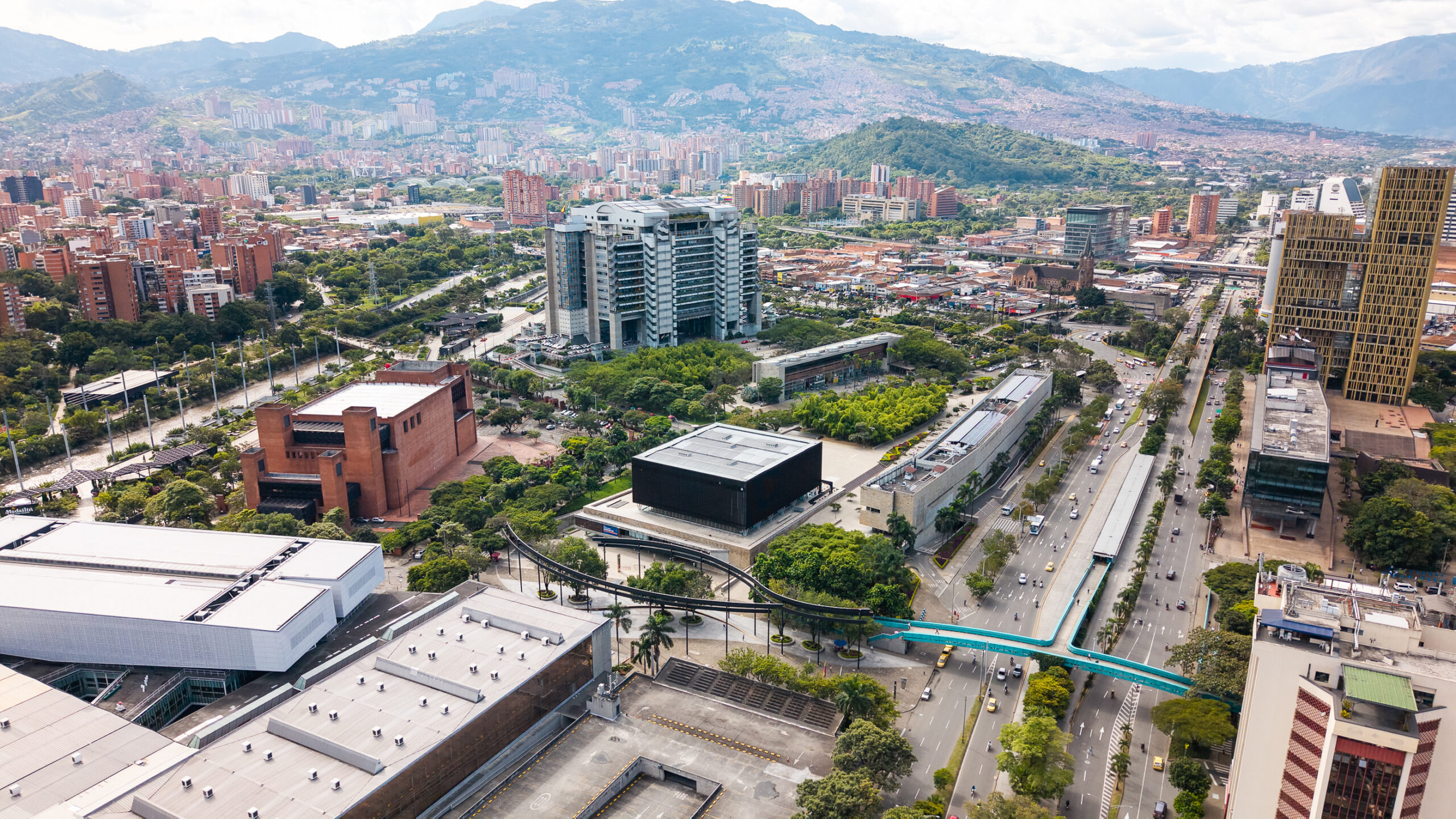
Medellín and Antioquia offer ideal conditions for this type of tourism: a diverse and creative city surrounded by nature and connected to municipalities rich in history, traditions, and breathtaking landscapes. From cultural and gastronomic experiences in the city to rural, wellness, or adventure escapes across the department, the destination allows for multi-day itineraries without repeating experiences.
The Bureau works closely with entrepreneurs, tour operators, hotels, restaurants, and strategic partners to develop this potential, understanding that even on short stays, travelers prioritize authenticity, local culture, and and genuine contact with their surroundings.
The Bureau’s role as coordinator of the tourism ecosystem
Strengthening local tourism and extending the average length of stay does not occur spontaneously. It requires planning, coordination, and a clear destination narrative. In this process, the Medellín and Antioquia Bureau plays a fundamental role as a connector of the tourism ecosystem.
Through promotion strategies, content generation, support for entrepreneurs, and collaborative work with the public and private sectors, the Bureau promotes initiatives that highlight the diversity of the destination, strengthen visitor confidence, and promote balanced and sustainable tourism.
These actions make it possible to respond to evolving traveler dynamics while remaining focused on the territory’s strategic objectives: attracting visitors, increasing their length of stay, and generating tangible benefits for local communities.
Local tourism: a force that transforms the region
Residents of Medellín and Antioquia are key protagonists in this transformation. Their ability to explore the department, rediscover its municipalities, and embrace the local tourism offering strengthens their sense of belonging and contributes to the sustainability of the sector.
Encouraging residents to travel within their own region not only energizes the economy but also consolidates a more resilient tourism model — less dependent on specific seasons and more deeply connected to the territory.
A destination that invites you to stay
Trends toward 2026 confirm that tourism is evolving toward more conscious, flexible, and meaningful experiences. Medellín and Antioquia are not only prepared for this scenario, but are actively shaping it.
At the Medellín and Antioquia Bureau, we continue to work to position the destination as a place that is not meant to be rushed through, but one that invites visitors to stay, explore, and return. Because traveling nearby, adding experiences, and extending stays is also a way of building a stronger, more sustainable tourism model -one that is deeply connected to the essence of the region.
The Medellín and Antioquia Bureau is a foundation that attracts visitors, events, and opportunities to boost the development of the city and the department, strengthening the tourism sector and working in coordination with public and private entities to promote the city and region.